
|
July 2007 Volume 13, Number 2
|
Back Issues:
http://solarcooking.org/docs.htm |
 solarcookers.org
[Editor's note: "News you send" is compiled by
Tom Sponheim, Solar Cookers
International's information exchange specialist. E-mail your news items to
info@solarcookers.org or mail to
Kevin Porter, Solar Cookers International, 1919 21st Street #101, Sacramento, California
95811-6827, USA. We want to hear from you — especially if your program is growing
or if your work has not been featured in the Solar Cooker Review before. Please
include your contact information. Submissions are subject to editing if printed.
Clarification
Kenya / Zambia
 Solar Health and Education
Project (SHEP) reports holding workshops in both
Solar Health and Education
Project (SHEP) reports holding workshops in both
 This past March in
 In 2005,
FluidIT Solutions — a company specializing in information and
communication technologies (ICTs) — conducted a research project on the
effectiveness of native-language training videos as tools for spreading solar
cooker knowledge in Nigeria.
In 2005,
FluidIT Solutions — a company specializing in information and
communication technologies (ICTs) — conducted a research project on the
effectiveness of native-language training videos as tools for spreading solar
cooker knowledge in Nigeria.
 Tom Rick of the
Yancheng
Sangli Solar Energy Co. Ltd. announced that the company’s price for exporting
high-powered, focusing solar cookers has been reduced to $65, FOB
Tom Rick of the
Yancheng
Sangli Solar Energy Co. Ltd. announced that the company’s price for exporting
high-powered, focusing solar cookers has been reduced to $65, FOB
 Foundation for Sustainable
Technologies (FoST) celebrated its fifth anniversary in April. FOST designs,
develops and disseminates low-cost, adaptable products that improve the quality
of life of
Foundation for Sustainable
Technologies (FoST) celebrated its fifth anniversary in April. FOST designs,
develops and disseminates low-cost, adaptable products that improve the quality
of life of
 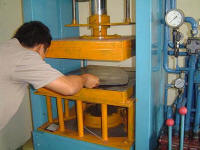 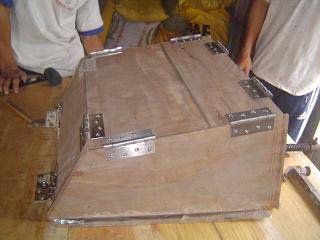 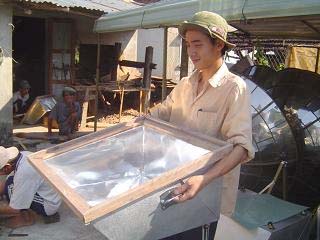 |
In partnership with Dutch organization
Solar Cooker Workgroup Sliedrecht NL,
Solar Serve (SLS) has developed a new solar box cooker for use in |
 Sun Baked, a mission-driven
business dedicated to promoting solar cooking as a sustainable practice, is now
selling solar cookers through its Web site. The cookers include a box cooker
from
Sun Baked, a mission-driven
business dedicated to promoting solar cooking as a sustainable practice, is now
selling solar cookers through its Web site. The cookers include a box cooker
from
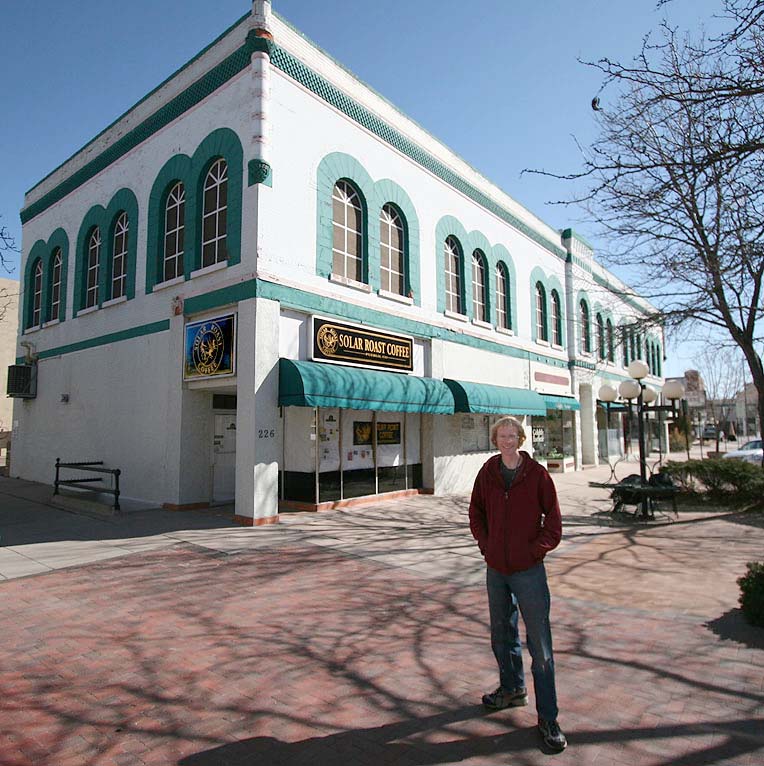 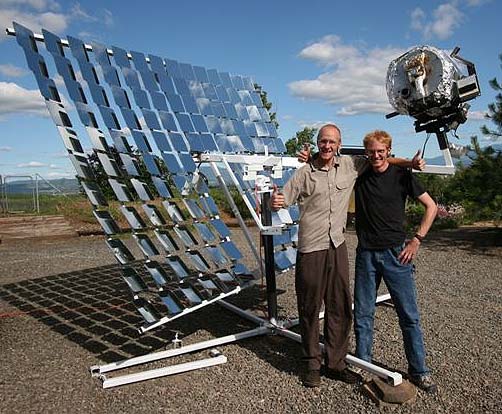 |
Michael and David Hartkop have been selling organic, fair trade,
solar-roasted coffee since 2004. Their company —
Solar Roast Coffee — recently
opened its first cafe, located in |
The film "Suncookers," by filmmaker
Catherine Scott, was selected for exhibition
at
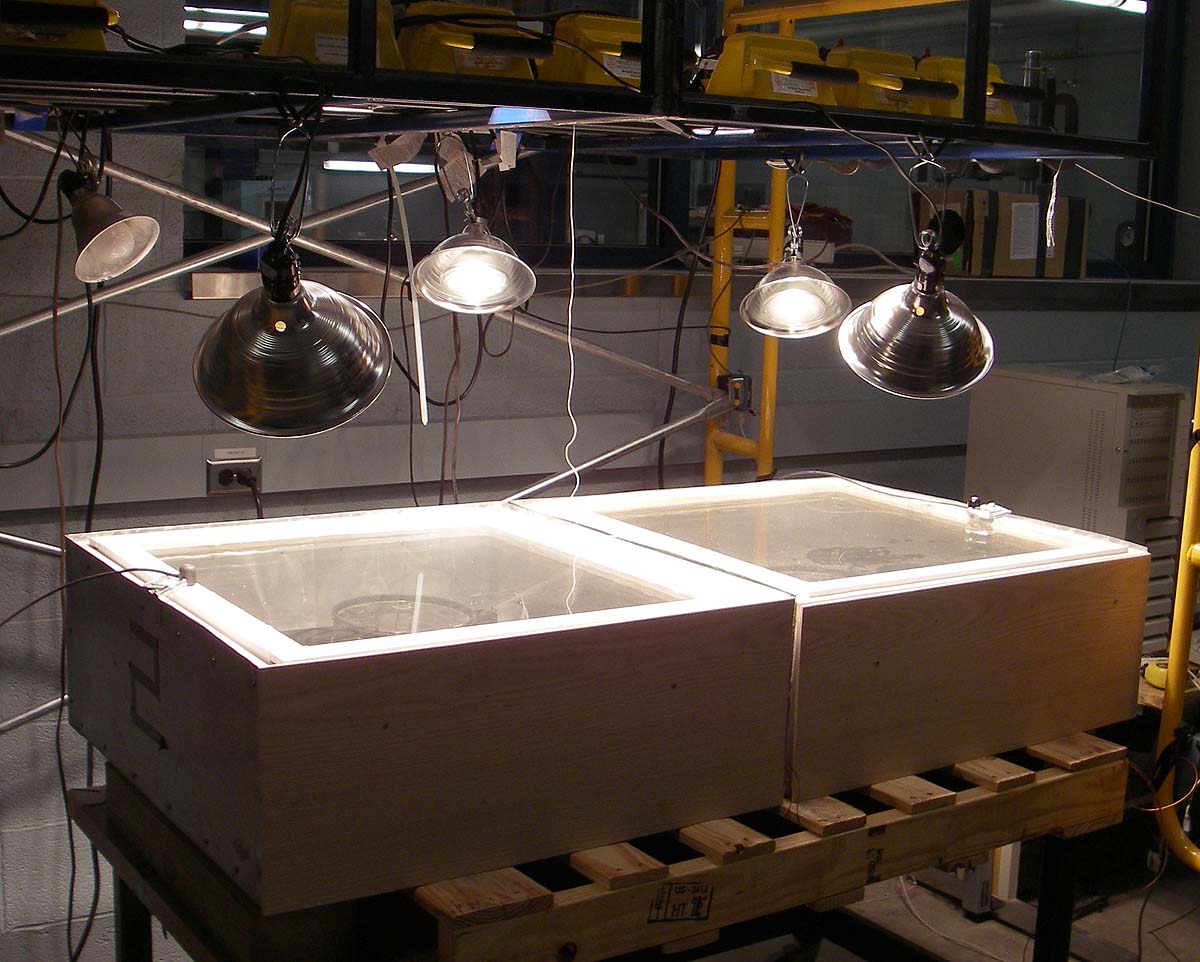 The
foundation
Sustainable Technology and Energy for Vital Economic Needs
(STEVEN), of
The
foundation
Sustainable Technology and Energy for Vital Economic Needs
(STEVEN), of
The Solar Cookers International Association (SCIA) is an advocacy network
including 70 organizations and over 125 solar cooker leaders from 38 countries.
It is affiliated with Solar Cookers International (SCI), a nongovernmental
organization in consultative status with the United Nations. SCIA members
advocate locally and internationally for policies that assist the spread of
solar cooking, pasteurizing and food processing.
Here are some updates on
recent activities.
Advocacy
In
Recent meetings
BOLIVIAN INITIATIVE: At a seminar in March for solar and fuel-efficient stoves
leaders, German funding agency GTZ launched an effort to bring smoke-free
cooking alternatives to 100,000 Bolivian households.
David Whitfield and
Ruth Savedra de Whitfield
helped organize the event. Five SCIA members attended, and
four new organizations joined the SCIA.
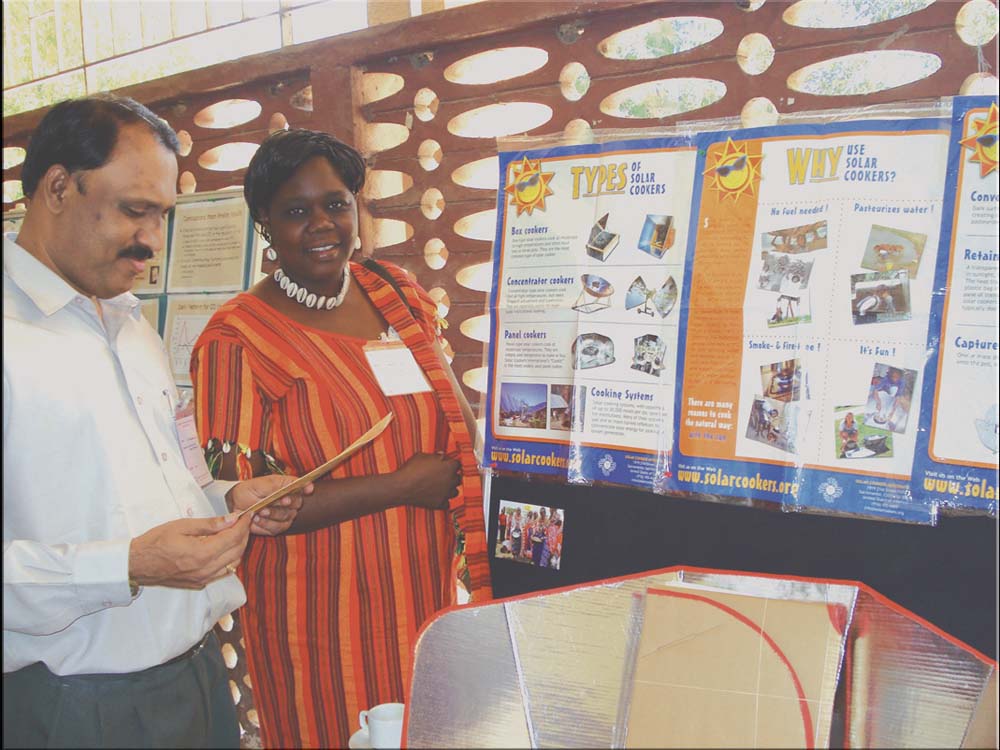 INDIAN MEETING ON CLEAN INDOOR AIR: An April meeting in Bangalore of the
Partnership for Clean Indoor Air (PCIA), also sponsored by GTZ, was attended by
SCIA members David Whitfield (Bolivia),
Margaret Owino (Kenya),
Louise Meyer
(USA), and Jimmy McGilligan,
Deepak Gadhia and
Jagadeeswara Reddy (all from
India).
INDIAN MEETING ON CLEAN INDOOR AIR: An April meeting in Bangalore of the
Partnership for Clean Indoor Air (PCIA), also sponsored by GTZ, was attended by
SCIA members David Whitfield (Bolivia),
Margaret Owino (Kenya),
Louise Meyer
(USA), and Jimmy McGilligan,
Deepak Gadhia and
Jagadeeswara Reddy (all from
India).
Other SCIA action groups?
It appears that advocacy and
periodic meetings will be the primary activities of this loose network.
Long-distance collaboration is difficult at best, as members are consumed by
their own pioneer programs. We must focus only on collective activities which
best enhance the work of individual members.
Beyond these, SCIA can shine the spotlight on individual peer initiatives, such
as Ajay Chandak’s current work to refine criteria by which solar cookers are
judged and compared. He welcomes anyone who will work with him on this project
that could be useful to us all. Similarly, Swiss members Heptonstall, Jett and
Alison Curtis have negotiated with Tetra Pak International for donations of
excess aluminum foil-lined paper for use in solar cooker construction. (See the
Solar Health and Education Project entry in "News you send.")
Communication tools
SCIA members Tom Sponheim,
Beth Ogilvie and
Kevin Porter have started a wiki Web
page for association members and perspective members at
http://solarcooking.wikia.com/wiki/Solar_Cookers_International_Association. From
there SCIA members can easily share information about activities, access
discussion forums, contact leaders, etc.
Annual Dues?
The steering committee has
voted to extend current memberships one more year while continuing to welcome
new members and exploring further whether and how future dues might be
collected.
For general questions or
comments send an e-mail to:
association@solarcookers.org.
By Yolanda Torrecillas, SCI Resource Coordinator
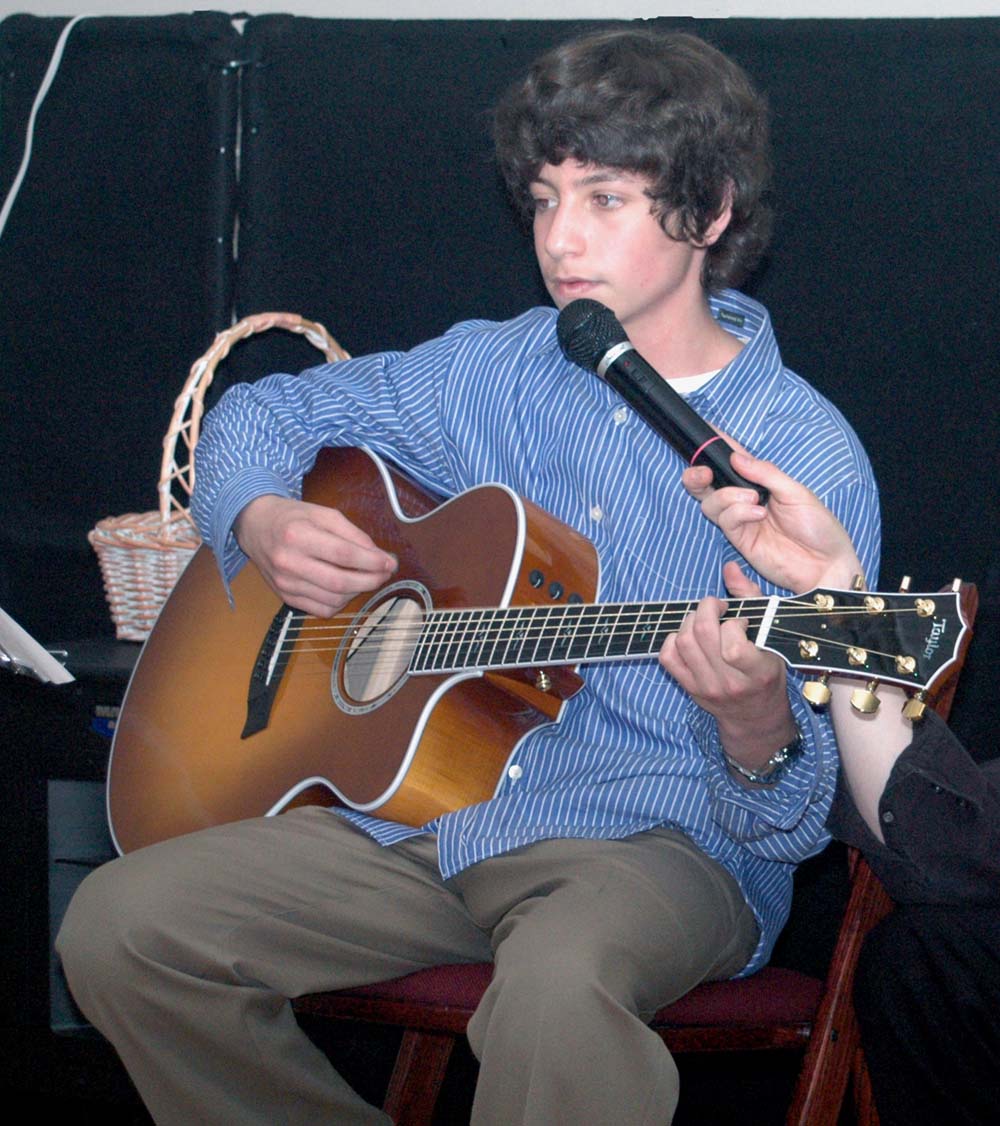 Famed pop star Bono isn’t the only musician working to raise awareness and aid
for the
Famed pop star Bono isn’t the only musician working to raise awareness and aid
for the
The event was a resounding success! The concert raised over $30,000 for
Recently recognized by his local Kohl’s department store as a "Kohl’s Kids Who
Care" honoree for his philanthropic work, Jeremy is not planning a retirement
from his altruistic activities. When asked what he would do after the concert,
he answered that "I need to keep working on
Message from the Executive
Director
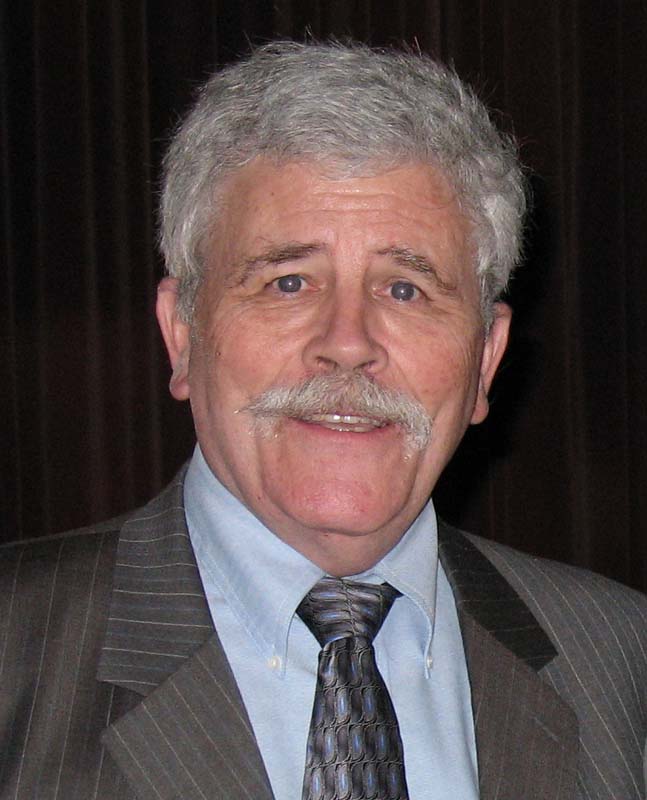 A large dumpster visible from my office window is being filled with wood and
scrap materials from a construction site. The workers tell me it will go to a
landfill; and I reflect on the scarcity of cooking fuel near the
A large dumpster visible from my office window is being filled with wood and
scrap materials from a construction site. The workers tell me it will go to a
landfill; and I reflect on the scarcity of cooking fuel near the
This week Derk Rijks of
KoZon Foundation will call about his positive efforts in
the Iridimi
refugee camp where little is wasted and thousands of families were
trained in the use of the CooKit. There is no shortage of solar energy there to
fuel the CooKits. He will also discuss expansion to other camps in
Recently,
Solar Cookers International (SCI) board member
Patricia McArdle and I
met with representatives of agencies including
InterAction, the Peace Corps, the
U.S. Agency for International Development (USAID), the U.S. Department of State,
and the American Red Cross. We discussed possible program collaboration and
support for the use of solar cookers, water testing and solar water
pasteurization. Most contacts were receptive and we are aware of the need to
continue the education process with those not familiar with the technologies. A
later meeting with the U.S. Food and Agriculture Organization (FAO) ambassador
and Patricia paved the way for a visit to see a
Solar Household Energy, Inc.
(SHE) project in
We are also impressed by the various community-based projects that incorporate
the
CooKit into programs such as a training program for midwives in
SCI Eastern Africa Director,
Margaret Owino, has outlined the concept of a regional resource center in
 Dinah Chienjo, SCI’s Sunny
Solutions project officer, made her first trip to the
Dinah Chienjo, SCI’s Sunny
Solutions project officer, made her first trip to the
I am enthusiastic about all
of these activities, the future of SCI, and the opportunities we have for
expansion into other countries.
In January 2008, SCI will have been incorporated for 20 years. We would like to
hear your creative ideas as to how we can celebrate this important anniversary
throughout the year. Suggestions include taking part in a national or
international solar day by constructing solar cookers, demonstrating solar
cooking or by giving a presentation at your local service club or church. Others
are interested in promoting the benefits of solar energy to their legislators or
by planning a fundraiser to support expansion of solar cooker use in the
Thank you for your essential
and caring support.
SCI Executive Director
The Birthing Project solar
cooker story
By Arnold Trujillo, project documentarian
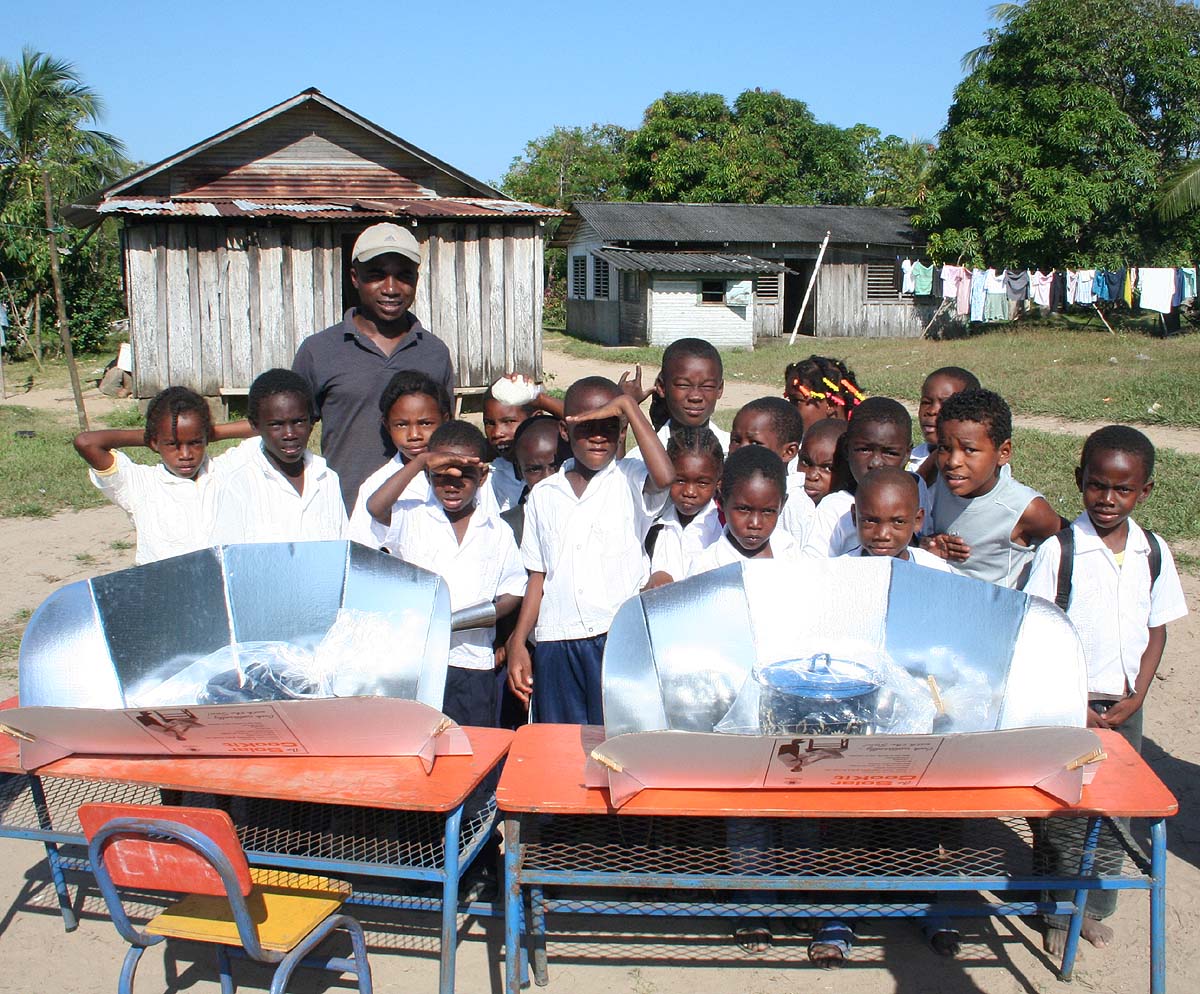 Birthing Project USA (BPUSA)
is an international maternal and child health organization that facilitates
better birth outcomes for women of color. BPUSA is a member of the
California/Honduras Institute for Medical and Educational Support (CHIMES), a
nonprofit organization founded by Bill Camp in 2005 to help build the first
clinics in the
Birthing Project USA (BPUSA)
is an international maternal and child health organization that facilitates
better birth outcomes for women of color. BPUSA is a member of the
California/Honduras Institute for Medical and Educational Support (CHIMES), a
nonprofit organization founded by Bill Camp in 2005 to help build the first
clinics in the
The villagers are Garifuna,
descendants of Africans who married Island Carib and Arawak Indians and now have
a distinct language and culture. They are referred to by many Hondurans as the "forgotten people" because they benefit little from social and political
programs like healthcare and education.
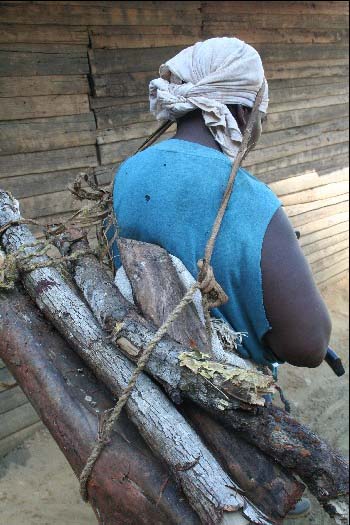 Last year, BPUSA’s Director
Kathryn Hall-Trujillo served as a women’s healthcare
specialist on a medical delegation to
Last year, BPUSA’s Director
Kathryn Hall-Trujillo served as a women’s healthcare
specialist on a medical delegation to
During the back rubbing sessions, we began to discuss why their backs hurt and acknowledged how hard they work. We also talked about the idea of using solar cookers to lessen their need for firewood. Thirty women agreed to try solar cookers, which they call cocina solar.
Sotiris Kolokotronis — an
American Leadership Forum Fellow and board member of
Solar Cookers International
(SCI) — purchased 30 of SCI’s "CooKit" solar cookers for the women. After a
brief training by SCI, Kathryn and I took the CooKits to
 In Ciriboya we were welcomed
by the village women leaders and organizations. The solar cooking demonstrations
were a success. We cooked rice and
pasteurized water. SCI’s
water pasteurization
indicator (WAPI) was used to determine when the water was safe to drink. The
women who participated agreed to be Solar Kitchen Leaders, sharing the
information and encouraging other women to try solar cooking.
In Ciriboya we were welcomed
by the village women leaders and organizations. The solar cooking demonstrations
were a success. We cooked rice and
pasteurized water. SCI’s
water pasteurization
indicator (WAPI) was used to determine when the water was safe to drink. The
women who participated agreed to be Solar Kitchen Leaders, sharing the
information and encouraging other women to try solar cooking.
In Tocamacho, a community
meeting hosted by the midwives provided the opportunity to discuss the solar
cookers. Everyone watched in amazement as water was pasteurized, and as rice and
fish were cooked, by sunlight. While the food cooked, Kathryn cared for a woman
who had been injured cutting firewood. The women who received the solar cookers
agreed to be solar ambassadors for their community.
In Batalla, solar cookers
were set up in the schoolyard where both the children and their parents could
see the demonstration of the WAPI and how water could be pasteurized by the sun.
Even in the small town of
The women dared to dream of
a time when their daughters would no longer carry firewood to cook a meal; they
would carry a simple cocina solar instead.
Contact:
BPUSA, 824 Paseo del Pueblo Norte #1, Taos, New Mexico 87571, USA. Tel:
888-657-9790, e-mail: bpusa@earthlink.net, Web:
http://www.birthingprojectusa.com;
CHIMES, P.O. Box 162126, Sacramento, California 95816, USA.
SCI hometown workshop: a big
hit
By Katie Sisay, SCI Office Manager and Marketing Coordinator
 Solar Cookers International
(SCI) passionately teaches people about the health and environmental benefits of
solar cooking, and the importance of solar water pasteurization. Thanks to a
group of willing participants, some outstanding volunteers, and a few staff
members, SCI’s recent
Solar Cookers International
(SCI) passionately teaches people about the health and environmental benefits of
solar cooking, and the importance of solar water pasteurization. Thanks to a
group of willing participants, some outstanding volunteers, and a few staff
members, SCI’s recent
On a beautiful Saturday in
June, workshop participants learned about SCI, the solar cooking process, the
science of solar water pasteurization, how to build a simple solar cooker, and
how to test drinking water quality. Participants also sampled solar-cooked
dishes and quenched their thirst with solar tea.
The workshop included
lessons on the following:
- How sunlight is converted
into heat energy when absorbed by dark cooking pots, how the heat energy is
retained (depending on the type of cooker), and how reflectors can direct
additional sunlight onto the cooking pot
- How a water pasteurization
indicator (WAPI) is used to determine when water heated in a solar cooker — or
by other means — reaches pasteurization temperatures of 65°C (149°F), killing
disease-causing microbes
- How to test water for
contamination using a portable microbiology laboratory
- How to construct a "CooKit"
panel-type solar cooker using basic materials such as cardboard and aluminum
foil
 Workshop participants benefited greatly from a lesson by
The workshop was a huge
success, and now there are new faces advocating for solar cooking and solar
water pasteurization with new-found abilities to build and use solar cookers,
pasteurize water, test water, and spread the simple technology.
Special thanks to
Donald Coan,
Mojgan Fischer,
Janet Nicol,
John Collentine, and
Patricia Johnson for making this workshop possible.
Why is water pasteurization
a global necessity?
According to the
World Health Organization’s
"Global Water Supply and Sanitation
Assessment 2000 Report," there are "approximately 4 billion cases of diarrhea
each year" that cause "2.2 million deaths, mostly among children under the age
of five."
Common pathogens in
contaminated water, and temperatures at which they are
pasteurized:
|
Microbe |
killed rapidly at |
|
Worms, Protozoa cysts (Giardia, Cryptosporidium, Entamoeba) |
55°C (131°F) |
|
Bacteria (V. cholerae, E. coli, Shigella, Salmonella typhi), Rotavirus |
60°C (140°F) |
|
Hepatitis A virus |
65°C (149°F) |
SCI expands
 Last year, Solar Cookers International (SCI) expanded its
Long-standing SCI volunteer
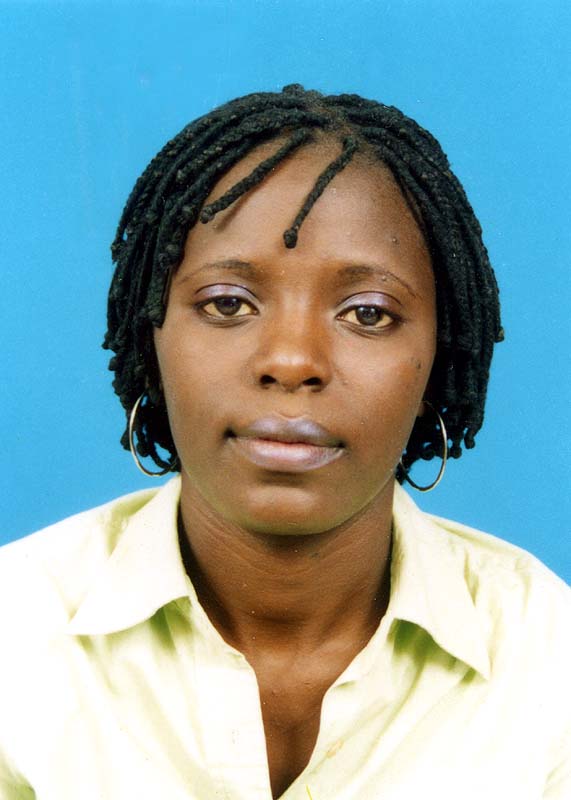
Stella Odaba was selected as project supervisor in
Kajiado, while John Amayo supervises the Kadibo project.
The project supervisors have
successfully completed a rapid base line survey of the area, have identified
appropriate entry target groups and development partners, and have completed the
first phase of public awareness through a series of demonstrations.
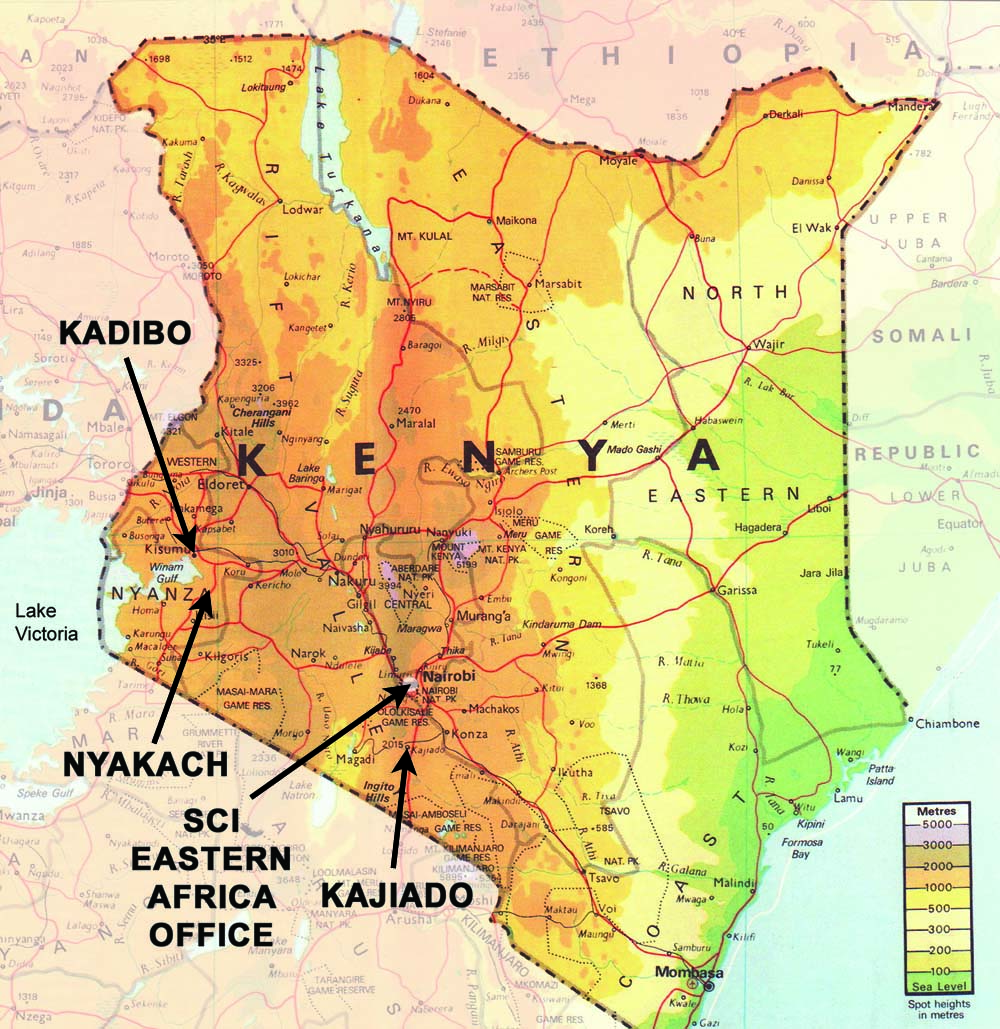 The second phase of the
project has begun. Twenty one Solar Cooker Representatives (SCOREPS) have been
trained and equipped — 12 in Kajiado and nine in Kadibo. SCOREPS are responsible
for creating awareness through public demonstrations, school presentations,
group meetings, home visits and shows, etc. SCOREPS also train new solar cooks,
and market and sell solar CooKits to women’s groups, churches, youth
organizations, self-help groups, and directly to individuals.
The second phase of the
project has begun. Twenty one Solar Cooker Representatives (SCOREPS) have been
trained and equipped — 12 in Kajiado and nine in Kadibo. SCOREPS are responsible
for creating awareness through public demonstrations, school presentations,
group meetings, home visits and shows, etc. SCOREPS also train new solar cooks,
and market and sell solar CooKits to women’s groups, churches, youth
organizations, self-help groups, and directly to individuals.
 The projects have already drawn some media attention. An October 2006 Inter
Press Service (IPS) news agency article by Joyce Mulama reports on the reaction
of members of the Oloika Women’s Group upon witnessing solar cooking for the
first time.
The projects have already drawn some media attention. An October 2006 Inter
Press Service (IPS) news agency article by Joyce Mulama reports on the reaction
of members of the Oloika Women’s Group upon witnessing solar cooking for the
first time.
The article quotes 70-year-old Esther Lokuso, a member of the women’s group, as
follows: "I am shocked because I saw the food cooking without any fire. But here
it is, really hot and tastier than the same foods cooked normally. This is
amazing; I have never seen anything like this before."
 Another woman from the group, Janet Sirinyi, described the daily struggle to
collect firewood. "We and our children walk for over four hours every day
looking for firewood. Since it has been our main source of fuel, we have had no
choice but to go collecting wood and even cutting down new trees to provide us
with wood, so that we can cook for our families," she said. "By using the sun
for cooking, now we will be able to save our trees and forests."
Another woman from the group, Janet Sirinyi, described the daily struggle to
collect firewood. "We and our children walk for over four hours every day
looking for firewood. Since it has been our main source of fuel, we have had no
choice but to go collecting wood and even cutting down new trees to provide us
with wood, so that we can cook for our families," she said. "By using the sun
for cooking, now we will be able to save our trees and forests."
According Mulama, the Oloika
women "were also excited by the prospect of being able to turn their attention
to other chores while food was [cooking] in the solar cookers." They envision
doing domestic chores like water collection and animal husbandry while their
food gently cooks unattended.
Building-size CPC reflectors
for the tropics
Research architect Joel Goodman has spent several years exploring ways to
integrate solar cookers into kitchen buildings. Much of his recent work focuses
on the use of stationary, non-imaging reflector CPC (compound parabolic
concentrator) optics. Goodman hopes to encourage development of solar-optical
design projects that can define non-imaging CPC reflector patterns and
inclinations for architectural use, starting in non-seismic regions.
Examples of Goodman’s current design studies for the tropics — with a large CPC
reflector trough opening upward, oriented in an east-west line, and with
adjustable end reflector options — include solar kitchens with
HotPot™ type
ovens, roll in-out batch cookers, and augmented walk-in basin water stills. (For
more information on the HotPot™, see "SHE makes headway in
 Image a: An exterior wall
supports a partial ‘one-sided’ CPC trough that reflects sunlight to a series of
cooking bays that hold HotPots™. Additional sunlight comes from fixed ridged
reflectors between the bays and adjustable reflectors (not shown) at the front
opening of the bays.
Image a: An exterior wall
supports a partial ‘one-sided’ CPC trough that reflects sunlight to a series of
cooking bays that hold HotPots™. Additional sunlight comes from fixed ridged
reflectors between the bays and adjustable reflectors (not shown) at the front
opening of the bays.
Image b: A CPC trough
reflects sunlight onto multiple HotPots™ on sliding trays accessible from within
the building.
Image c: Sunlight enters a
CPC trough and is reflected to the underside of HotPots™ (or black woks),
conveniently accessible for stirring from within the building. The inverted
non-imaging reflector shape under the HotPots™ contains thermal convection.
Image d: An oval oven is
housed in an insulated cooker comprised of fixed reflectors and transparent
glazing at a CPC outlet. The large batch cooker vessel (approximately 250 liters
/ 67 gallons batch) rolls in and out of the oven.
Goodman invites comments and
suggestions.
Contact: Joel H. Goodman,
P.O. Box 14, Dodgeville, Wisconsin 53533, USA. E-mail:
joelhgoodman3@hotmail.com, Web:
http://solarcooking.org/Joel_Goodman.htm.
SHE builds partnerships in
By Katie Sisay, SCI Office Manager and Marketing Coordinator
Solar
Household Energy, Inc.
(SHE) was founded in 1998 to introduce solar cooking where it can add quality to
life and alleviate stress on the environment. The following is a summary of some
of their recent activities.
New leadership
SHE welcomed
Marie-Ange
Binagwaho as its new executive director in 2006. Binagwaho has impressive
background experience in strategic planning, systems development, and evaluation
with community-based organizations. Her recent endeavors include a girls
education project in
HotPot™ update
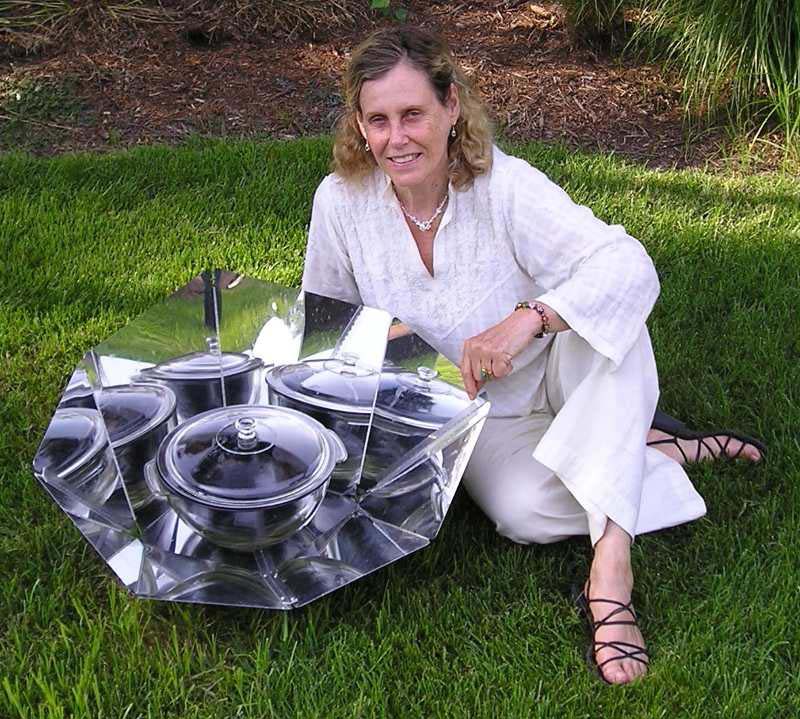 SHE
spent several years developing a panel-type solar cooking system called the "HotPot™." A unique element of the HotPot™ is its custom five-liter black pot
that is suspended by its flange inside a transparent tempered glass bowl,
creating an insulating air space around the pot. Reflectors are available in two
flavors. The less expensive model is a variation on Solar Cookers
International’s CooKit, and is made of foil-lined cardboard. The more durable
model, called the "Morning Star," is made of anodized aluminum and has steel
hinges.
SHE
spent several years developing a panel-type solar cooking system called the "HotPot™." A unique element of the HotPot™ is its custom five-liter black pot
that is suspended by its flange inside a transparent tempered glass bowl,
creating an insulating air space around the pot. Reflectors are available in two
flavors. The less expensive model is a variation on Solar Cookers
International’s CooKit, and is made of foil-lined cardboard. The more durable
model, called the "Morning Star," is made of anodized aluminum and has steel
hinges.
[Editor’s note: the HotPot™
and other products can be purchased using the order form on page 23, or on-line
at www.solarcookers.org.]
SHE has been testing its
HotPot™ solar cooking system in
Results yielded:
- The stagnation test — an
empty HotPot™ reached 146°C (295°F) in 50 minutes
- The water heating test — 1
liter of water came to a slow boil of 90°C (194°F) in 60-90 minutes
- The cooking test — assorted
chopped vegetables reached cooking temperatures of 82°C (180°F) in 50 minutes
For more detailed information on these tests visit http://she-inc.org/art.php?id=55.
SHE has created solar cooker partnerships with a wide range of nongovernmental
organizations (NGOs) in
These are exciting
partnerships for SHE, which is facilitating the technology transfer with
training sessions, follow-up services, micro-credit payment systems and work
exchange programs.
SHE director of programs for
While other pilot projects are being explored, work has commenced in the
SCA and SCN take solar cooking to four villages in rural
By Kawesa Mukasa, Solar
Connect Association Director
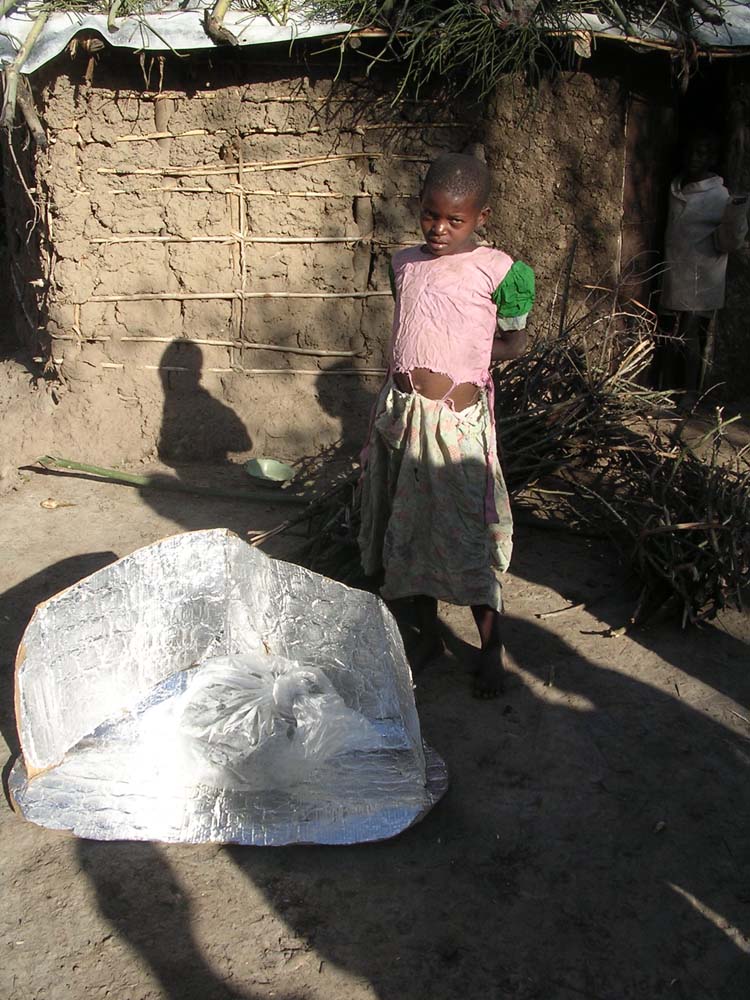 What began as an exchange of
information and knowledge in the cafeteria at the 2006 international solar
cookers conference, between
Kawesa Mukasa of
Solar Connect Association (SCA) and
Clara Thomas of
Solar Cooking Foundation the Netherlands (SCN), has developed
into a serious partnership to promote solar cookers in four villages in the Mbarara district of western
What began as an exchange of
information and knowledge in the cafeteria at the 2006 international solar
cookers conference, between
Kawesa Mukasa of
Solar Connect Association (SCA) and
Clara Thomas of
Solar Cooking Foundation the Netherlands (SCN), has developed
into a serious partnership to promote solar cookers in four villages in the Mbarara district of western
Thomas, and Henk Crietee of SCN, visited
What has been done? How has the targeted community benefited? We have
distributed 510
CooKits to as many households since February 2007. The number of
CooKits distributed in four villages will reach 2000 by the end of January 2008.
These solar cookers have been made affordable for the very poor by a subsidy
from SCN and
Wild Geese Foundation, a Dutch charitable organization. We are also
encouraging the use of fuel-efficient charcoal stoves that are bought from local
artisans in the city and taken to the targeted villages.
We have introduced a
"revolving loan" fund for people who are interested in acquiring a solar cooker
but are not able to pay the whole amount at once. Using this system, families
are able to use the CooKit immediately and pay in installments. Additionally,
the fund allows us to receive full payment upon sale, enabling us to continue
production without interruption due to funds tied in loans. The revolving loan
fund was proposed by SCN and so far it is working well; no loan taker has
defaulted to date.
Another first in solar cooking in
Every CooKit comes with a
protective bag and an instruction manual, adding value to it in the eyes of the
buyer. The solar cooking training and follow-up programs are conducted by local
villagers, known in the communities as sociable persons with histories of
volunteerism. The formal training we provide to the local trainers helps build
capacity at the community level. We and the beneficiary families are in
partnership and collaborate in information sharing about new recipes, cooking
periods for different foods, and various tips for more efficient solar cooking.
Tropical rain forests trap carbon dioxide, more than any other type of
vegetation or forests. It is therefore an issue of self-preservation for every
individual to contribute to the conservation of these rain forests in
Contact:
Kawesa Mukasa,
Solar Connect Association, P.O. Box 425, Kampala, Kyandodo 256,
Solar Cookers International
cordially invites you to be our guest at Shine On! 2007, kicking off our 20th
year of service to the world and its inhabitants … and on to the next 20! Come,
bring a friend or two, and share in the celebration as we highlight SCI’s
achievements and our continued efforts to spread this simple solar solution for
the benefit of people and planet.
Wednesday, September 12
The
Light refreshments will be served. For more information, directions, volunteer
or sponsorship opportunities, contact Yolanda Torrecillas at (916) 455-4499 or
yolanda@solarcookers.org.
Four reasons why SCI is
outstanding
By Ramon Coyle, former SCI Information Exchange Specialist
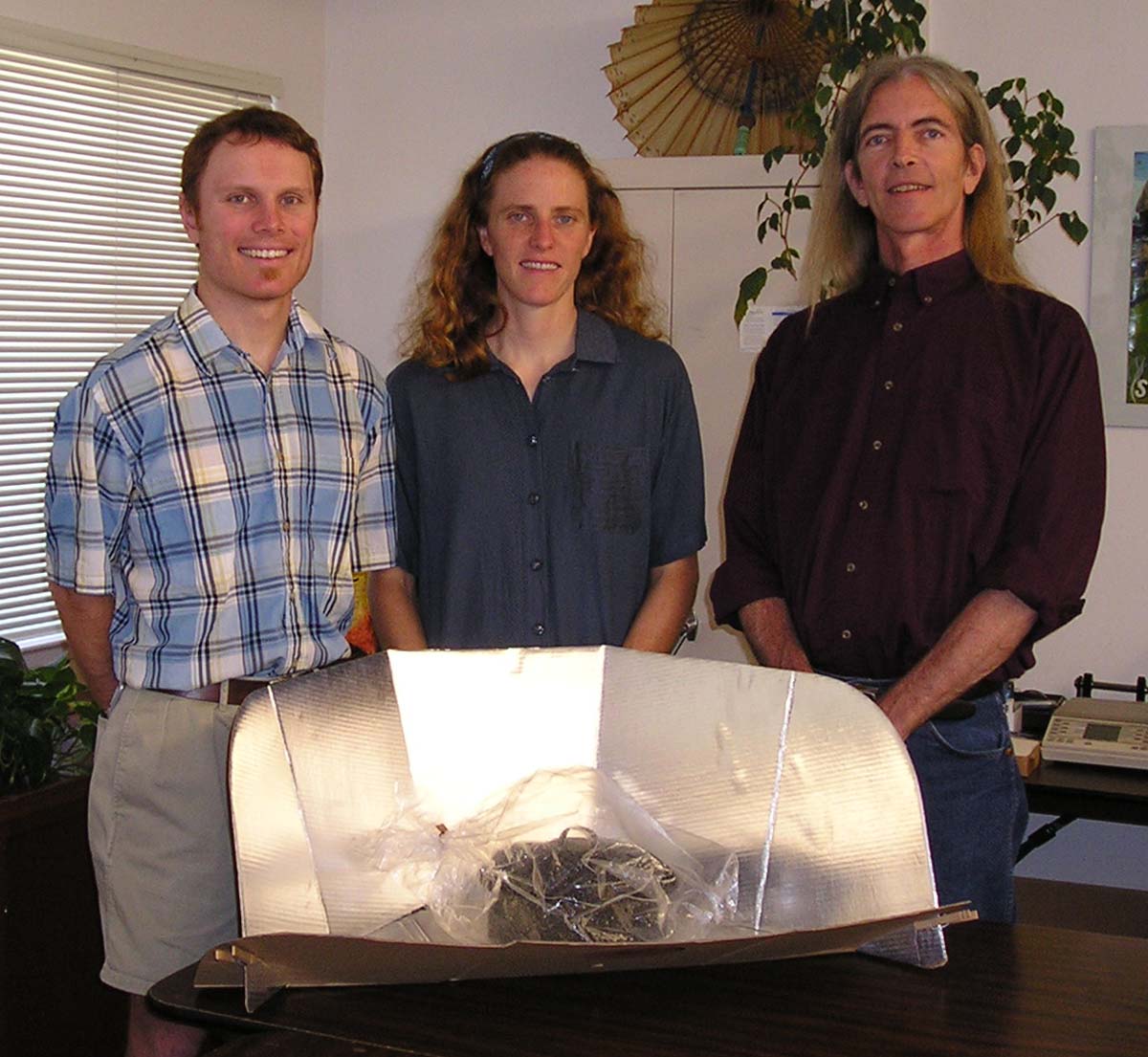 I was employed by
Solar Cookers International (SCI) for over 16 years. I was the
third person ever hired by SCI, the first to be hired who was not already a
solar cooker enthusiast, and, by a substantial margin, the longest lasting
employee.
I was employed by
Solar Cookers International (SCI) for over 16 years. I was the
third person ever hired by SCI, the first to be hired who was not already a
solar cooker enthusiast, and, by a substantial margin, the longest lasting
employee.
When I started with SCI, I was first impressed and inspired by the founders and
leaders of SCI — by Barbara Kerr’s clarity and character, by Dr.
Bob Metcalf’s
devotion and enthusiasm, by
Bev Blum’s boundless energy and skills — and by the
dedication of each of them. These three alone impressed me a great deal, but
there were many other good people who worked with skill and love to propel SCI
from being an idea to being an international organization.
After a few years at SCI, I also became impressed by SCI’s member/donors and their dedication. Stories about the generous spirits of SCI member/donors made me want to do a good job for them.
I learned that many SCI donors were also solar cooking promoters. Women in
Allart Ligtenberg is an
outstanding example of an SCI member/promoter. Allart has taught solar cooking
in
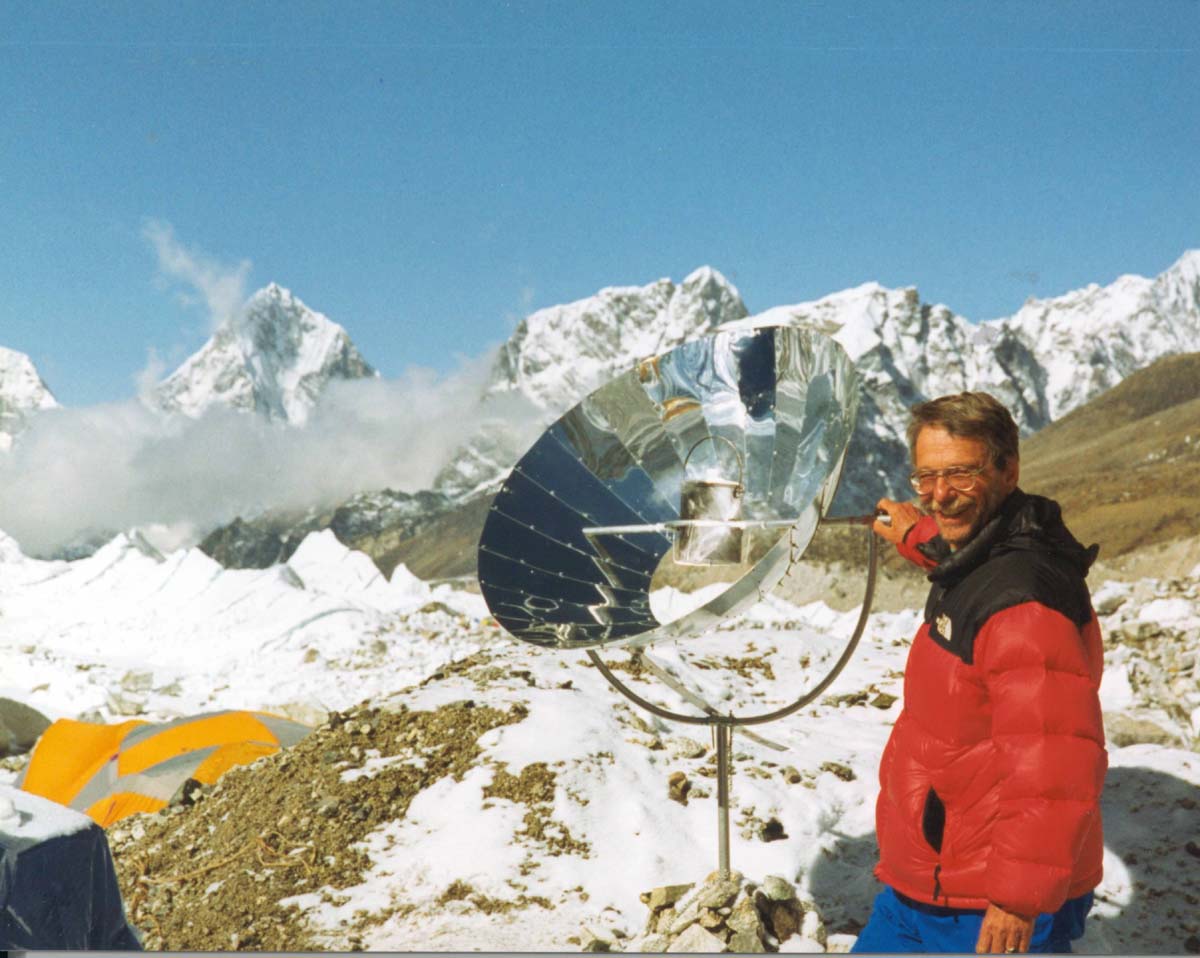 For my first eight years at
SCI, most of my work assignments had to do with office support functions —
maintaining the SCI mailing list being one of them. In that role, I necessarily
developed a map of the world inside my head with mental thumbtacks marking the
locations of active solar cooking promoters. I had absorbed a broad picture of
the solar cooking world. At that point, my job shifted.
For my first eight years at
SCI, most of my work assignments had to do with office support functions —
maintaining the SCI mailing list being one of them. In that role, I necessarily
developed a map of the world inside my head with mental thumbtacks marking the
locations of active solar cooking promoters. I had absorbed a broad picture of
the solar cooking world. At that point, my job shifted.
My new job was to attempt to
answer non-routine or in-depth questions about solar cooking and how to promote
it. In the course of doing this work, I developed relationships with leaders of
a wide array of solar cooking promotion groups working in many countries.
Gnibouwa Diassana in
Mali,
Abdullah Paksoy in
Turkey,
Martin Almada in
Paraguay,
Wietske Jongbloed in the
Netherlands,
Nelly Denakpo in
Benin,
Nguyen Tan Bich in
Vietnam,
Chris Ugwu and
Rose Achunine in
Nigeria, a lot of people in
India,
David Whitfield in
Bolivia,
Dieter Seifert in
Germany,
Laura Garat de Larran in
Argentina,
Kawesa Mukasa in
Uganda,
Manolo Vilchez in
Spain,
Sperancea Gabone in
Tanzania,
Rosalyn Rappaport
in England and The
Gambia. Each of these people — and many, many others — is an
inspiration. Many face towering obstacles in their efforts to spread solar
cooking for the benefit of their neighbors. And all are endowed with a spirit of
supreme generosity that I have seen not only in their zeal to serve others but
also in their friendly treatment of me.
So, on top of inspiration from SCI’s leaders and founders, and from SCI’s member/donors, the third area of special reward in working for SCI has been my exposure to such a fine crop of humans from around the world; if they were flowers, I worked in a most beautiful garden. I have been honored to have given them whatever small services I was able to provide.
After 16 years, I have a
pretty good "big picture" of solar cooking promotion that provides me the
vantage point for my fourth appreciation of SCI: I like its basic program.
- Create broad awareness of the low cost and high benefits of solar cooking
- Provide the information needed to enable more organizations to promote solar cooking in their own areas
- Help the growing number of solar cooking groups in the world communicate, coordinate and collaborate
- Encourage investment of more resources in spreading solar cooking by large institutions, governments, and multi-lateral agencies.
SCI’s flagship program for the past 12 years has been its strategy in eastern
In carrying out this
program, SCI has made important accomplishments:
- Development of the
"CooKit," an ultra-low-cost solar cooker that can be easily mass-produced or
handcrafted
- Field testing of the CooKit
with tens of thousands of refugee families, and showing that women in need will
try solar cooking, will learn the skills, will adopt the practice and will gain
tangible benefits
- Launching of three field projects in
- Proving that
pasteurization
of drinking water to prevent disease can be done with a simple solar cooker
- Introduction of the
inexpensive, reusable
water pasteurization indicator (WAPI) to make solar water
pasteurization convenient
- Field testing of WAPIs and
gathering of solid evidence in several studies of reduction in diarrhea in
families that practice solar pasteurization
- Co-sponsorship of four
highly-regarded world conferences on solar cooking
- Establishment in 2006 of an
international association of solar cooking promotion organizations
I am highly aware that this
multi-pronged program still has a long way to unfold before the job is done. I
have a sense that at times there have been missteps made on this ultimately wise
path. I am acutely aware — and reminded by every paycheck — that SCI has trod
this breathtakingly ambitious path with a painfully limited budget.
Yet, the program is working.
Tens of thousands of families have enjoyed real benefits from solar cooking
directly as a result of SCI’s work. Tens of thousands more have benefited
through the work of other promotion groups that SCI has served. Hundreds of
solar cooking teachers, promoters and promotion groups are active in 100
countries or more. Even if SCI were to disappear today, solar cooking would
continue to spread from these many centers of experience and action.
Meanwhile, solar cooking is getting more attention and support from important
seats of power. I remember in the early 1990s when SCI celebrated the first
known favorable mention of solar cooking in a World Bank report. Now, the World
Bank has provided funding to several solar cooking organizations. Solar cooking
promoters are winning more and more international awards in the fields of
renewable energy, appropriate technology and international development. Earlier
this year, I provided some information and advice to a group of Members of
Parliament in the
I have given four reasons
why SCI is outstanding. The reasons explain why I have lasted at SCI for over 16
years. Working for an organization with big ambitions and small budgets has been
frustrating at times, grueling often, and low-income always. After 16 years of
employment with SCI, I am exhausted and financially insecure. I can no longer
afford to continue. I gave notice in February and will have phased out before
July.
The staff members who have assumed my duties are extremely well qualified.
Kevin
Porter’s or Tom
Sponheim’s knowledge of the world of solar cooking may be more
extensive than mine. Their combined knowledge certainly is. They have 29 years
of combined experience in the solar cooking field, and they are both much better
equipped than I to work with the modern tools of Web sites,
wikis and electronic
newsletters.
A great many of my colleagues at SCI have been both impressive and enjoyable to
work with. In addition to those mentioned above, some of the most outstanding
have been Veronica Perez,
Margaret Owino,
Faustine Odaba,
Terry Grumley,
Pascale
Dennery, Yolanda Torrecillas and
Katie Sisay. SCI’s newer employees,
Patrick Widner and
Patricia Johnson, are eager and energetic.
To all — SCI founders,
members, donors, staff, and the hundreds of solar cooking teachers, activists,
promoters, inventors, and facilitators worldwide — thank you, and best wishes
for your continued success.
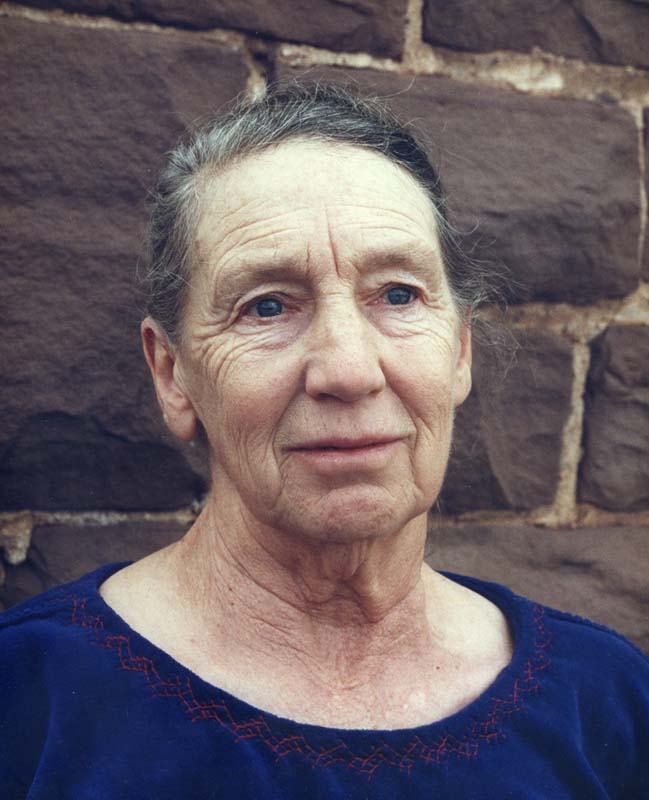
A poem by Barbara Prosser Kerr (September 2005)
Our gift to humanity has
been
into food, into water
Written for Sherry Cole, my solar cooker partner.
Barbara Kerr is a founder of
Solar Cookers International. In the 1970s, Barbara, and her friend
Sherry Cole,
developed the simple cardboard solar box cooker that inspired a wave of solar
cooking enthusiasts in the
New and improved SCI
Marketplace

Solar Cookers International
(SCI) recently launched the "SCI Marketplace," its new and improved on-line
store for solar cookers and related products. The new marketplace provides a
better shopping experience than the old on-line store on many levels.
Improvements include:
- A new, more pleasing user
interface
- A more logical product
categorization scheme
- Advanced search features
- Dozens of larger,
higher-quality product images
- More detailed product
descriptions
- User accounts and order
history tracking
- Wish lists
- Additional payment methods,
including American Express and PayPal
The SCI Marketplace is on
the Internet at http://65.108.108.197/catalog/. As always, sales proceeds
directly support SCI’s nonprofit work spreading solar cooking and solar water
pasteurization worldwide.
IRA rollovers at work for
Solar Cookers International
By Yolanda Torrecillas, SCI Resource Coordinator
Are you over the age of 70?
If so, it may interest you to know that you can donate funds from your IRA
directly to charity, have it count as part of your required distribution for the
year, and never pay taxes on it. Under the current provision (set to expire at
the end of this year), a donor who has reached the age of 70½ would be allowed
to exclude from his or her income any IRA funds up to $100,000 that are
withdrawn and transferred to a charity when filing a tax return for the year of
the transfer.
To qualify, the check has to be written directly from the IRA to
Solar Cookers
International. If you have some other type of retirement account, such as a
401(k), you'll have to roll it over to a traditional IRA before applying this
technique. If you have pretax and after-tax money in your IRA, the contribution
will be considered to come from the pretax part. Donations can be made from Roth
IRAs, although you may not want to since Roth withdrawals are tax-free in most
instances.
There’s no double dipping.
If you make a direct donation of pretax money, you can’t take a charitable
deduction. The rule applies to contributions made before January 2008, so time
is running out! Interested? Want to know more? Contact your IRA custodian or
accountant for details, or to direct transfers to Solar Cookers International.
Close-up view of
By Louise Meyer, Solar
Household Energy, Inc. co-founder
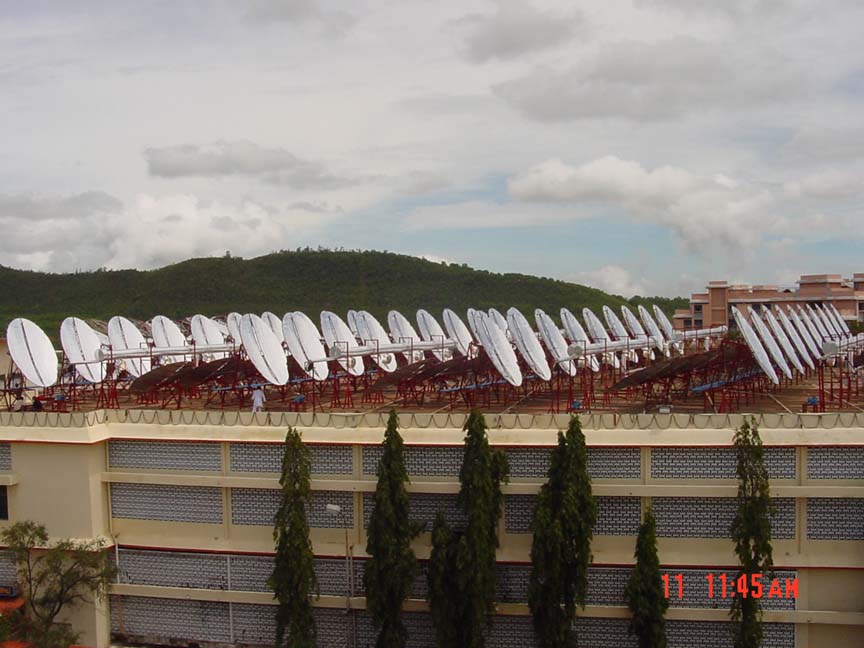 I learned about
This past April I spent a week with
Deepak and Shirin Gadhia, co-founders of the
nonprofit
Eco Center ICNEER (International Center for Networking, Ecology,
Education and Reintegration), located in Valsad. I was able to visit ICNEER
thanks to the U.S. Environmental Protection Agency’s generous invitation to
attend the 3rd biennial Partnership for Clean Indoor Air forum in
INCEER, and the Gadhia’s technical company,
Gadhia Solar Energy Systems Pvt.
Ltd., share the same premises and the same goals: to promote sustainable
development, taking economic and ecological issues into full consideration,
changing human behavior from environmental parasites to responsible citizens of
planet earth.
Visitors to ICNEER are welcomed in the meeting room, which has educational
billboards displayed on all four walls. We were a party of five when I arrived —
three Jesuits who run a school for tribal children, and an engineering professor
from
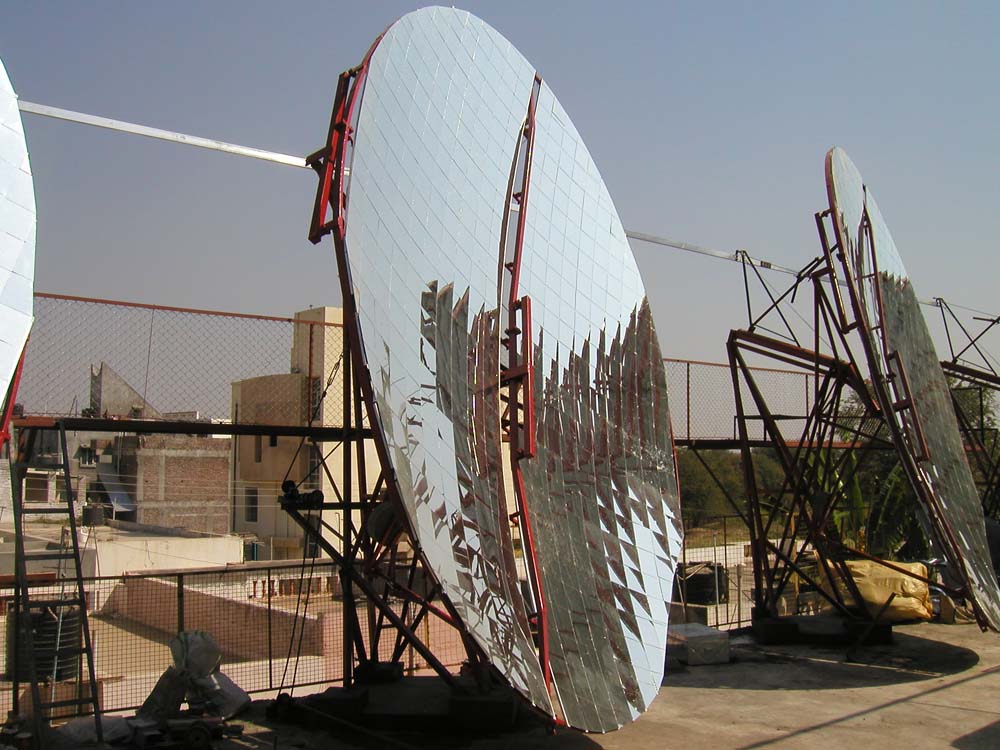 Deepak and Shirin met and married while studying in
At about the same time, Dr.
Dieter Seifert,
a German colleague, encouraged Deepak to promote solar cookers. "
Dieter supplied him with anodized aluminum plates to construct SK-14s, and
Deepak built the steel framework to support the reflectors and the cooking
vessel. Before long, Deepak met
Wolfgang Scheffler, a frequent traveler to
Indoor cooking appealed to
Indian women, who preferred to cook in the shade. Working together, Deepak and
Wolfgang built over 100 of these large solar cooking dishes and installed them
in rural schools where they could cook for 60-100 children and save tons of
firewood. The dishes paid for themselves in three to five years.
A breakthrough occurred when Mr. Schmitt, Deepak’s former employer, visited
Spurred by this success, more and more systems have been installed. The world’s
largest solar steam cooking system now exists at Tirumala Tirupati Devasthanams
in Tirupati,
There is a bright future for solar energy in
Contact:
Louise Meyer,
Solar
Household Energy, Inc., P.O. Box 15063, Chevy Chase, Maryland 20815, USA. Tel:
(202) 328-6834, e-mail: louise@she-inc.org, Web:
www.she-inc.org; Deepak and Shirin Gadhia, ICNEER, 86, Old GIDC Gundlav, Valsad – 396 035,
As of July 2007, Solar
Cookers International (SCI) has the new ZIP code 95811-6827.
The entire address is now as
follows:
Solar Cookers International
Please update your records
accordingly.
By Yolanda Torrecillas, SCI Resource Coordinator
Thanks to our alert readers and friends, Solar Cookers International’s attention
turned to the June issue of Oprah Winfrey’s O Magazine. In the "How Can I Help"
column written by Jan Goodwin, readers were told about the Berkeley Darfur
Stove, which uses 75% less fuel than traditional stoves, and is being supplied
by relief agencies to
Since 2006,
KoZon Foundation,
Solar Cookers International (SCI) and
Jewish World
Watch have been working together to provide solar cookers, retained-heat
cookers, pots, supplies and training to Darfur refugees in
Iridimi and
Touloum
camps in Chad. These efforts not only reduce exposure to firewood collection
dangers, but also provide refugees with extra income from the manufacture of
solar cookers, the training of others to use solar cookers, and the making of
protective solar cooker carrying bags. The added benefit of reduced fire-related
injuries to young children and a reduction of smoky environments and related
illnesses for women are further evidence that solar cookers are cost-effective,
sustainable, healthy cooking devices. But you already know that!
Now, how do we catch the
attention of Ms. Winfrey and others? Together! Please act now, and help us
inform Oprah and her editorial staff about the solar solution that rises every
morning. You may submit your comments via post to: The Oprah Magazine, 300 West
57th Street, 36th Floor, New York, New York 10019, USA; or via Oprah’s Web form:
www.oprah.com/omagazine/omag_wehear.jhtml.
If needed, we’d be happy to
send you more information about SCI’s efforts and involvement in bringing solar
cookers to the refugees.
Tribute gifts have been given to Solar Cookers International by:
- George Gibson in memory of
Christine Poppoff Clark
- Hank and Mary Ellen Gregg in
memory of Dan Groce
- Peter and Wendy Heckscher in
honor of Abbie Barbar
- Elizabeth Krecker in memory
of Captain Preston Stewart Krecker
- Kathryn Landry in honor of
John Paul Summers and Charlie Company in
- Targe and Joanne Lindsay in
memory of Julia Beckett
- Nina Lubick-Reich in honor
of her daughter, Elaine Wittert
- Karry and Phyllis Mintz in
memory of David Wolfe
- Jenny Murphy in honor of
Robert Renfer
- Ann Prego in honor of her
daughter, Tamara Gonzalez
- Lois Rosenfeld in honor of
Panda Rayman
- Ann Scheiner in honor of
Arline J. Lederman
- Cathy A. Sellitto in memory
of Catherine Sellitto
- Gabi Simbriger-Williams in
memory of her sister, Uschi Tustik
- Gwynne and Dewey Smith in
memory of their parents, George and Gertrude Prosser
- Ellen Stein in memory of
David Wolfe
- Henry and JoAnne Talbot in
memory of Mary Deits
- Margaret Telford in honor of
Nina Lubick-Reich
- Rhonda Tenenbaum in memory
of David Wolfe
- Greta Walker in honor of
Arline J. Lederman
- Amy Williamson in honor of
Gordon Williamson
- Megan Williamson in honor of
Gordon Williamson
- Laural
- T.O.P.S.
- Terri Brooks in honor of
Arline J. Lederman
- Sheila Jones in honor of
Lily Dancy-Jones
- Phyllis Elliott in memory of
Phillip M. Elliott
- Lauren Herman in honor of
Meagan Stacey
Calling all
 Are you a federal employee? Do you know one? Solar Cookers International (SCI)
has again qualified as a participating organization in the Combined Federal
Campaign (CFC). SCI is a beneficiary of the effort through the Aid for Africa
Federation. We are proud of meeting the rigorous financial, accountability, and
governance standards, and ask for your CFC support.
Are you a federal employee? Do you know one? Solar Cookers International (SCI)
has again qualified as a participating organization in the Combined Federal
Campaign (CFC). SCI is a beneficiary of the effort through the Aid for Africa
Federation. We are proud of meeting the rigorous financial, accountability, and
governance standards, and ask for your CFC support.
Federal employees have the option of supporting SCI with either a one-time gift
or with recurring payroll deductions. For those interested in joining the
effort, our CFC number is 11023. This code directs your donation to SCI’s
Thanks, federal employees,
for your philanthropy and involvement in the effort to spread this sustainable
solar solution.
Solar Cooker Review
is published two or three times per year with the purpose of
presenting solar cooking information from around the world. Topics include solar
cooker technology, dissemination strategies, educational materials, and cultural
and social adaptations. From time to time we cover related topics such as
women’s issues, wood shortages, health, nutrition, air pollution, climatic
changes, and the environment.
The Review is sent to those who contribute money or news about solar cooking
projects. The suggested subscription price is $10/year. Single copies are sent
free to select libraries and groups overseas.
We welcome reports and commentary related to solar cooking for possible
inclusion. These may be edited for clarity or space. Please cite sources
whenever possible. We will credit your contribution. Send to Solar Cookers
International (SCI), 1919 21st Street #101, Sacramento, California 95811-6827,
USA. You may also submit by fax: +1 (916) 455-4498 or e-mail:
kevin@solarcookers.org.
The Review is compiled and
edited by Kevin Porter, SCI’s education resources director, with assistance from
other staff. Layout is graciously donated by IMPACT Publications located in
SCI is a 501(c)(3) nonprofit organization assisting communities in using the
power of the sun to cook food and pasteurize water for the benefit of people and
environments. SCI is a member of InterAction. We do not sell, rent or trade
names of our donors. Tax ID # 68-0153141.
The Review is available online at www.solarcooking.org/docs.htm#newsletters.